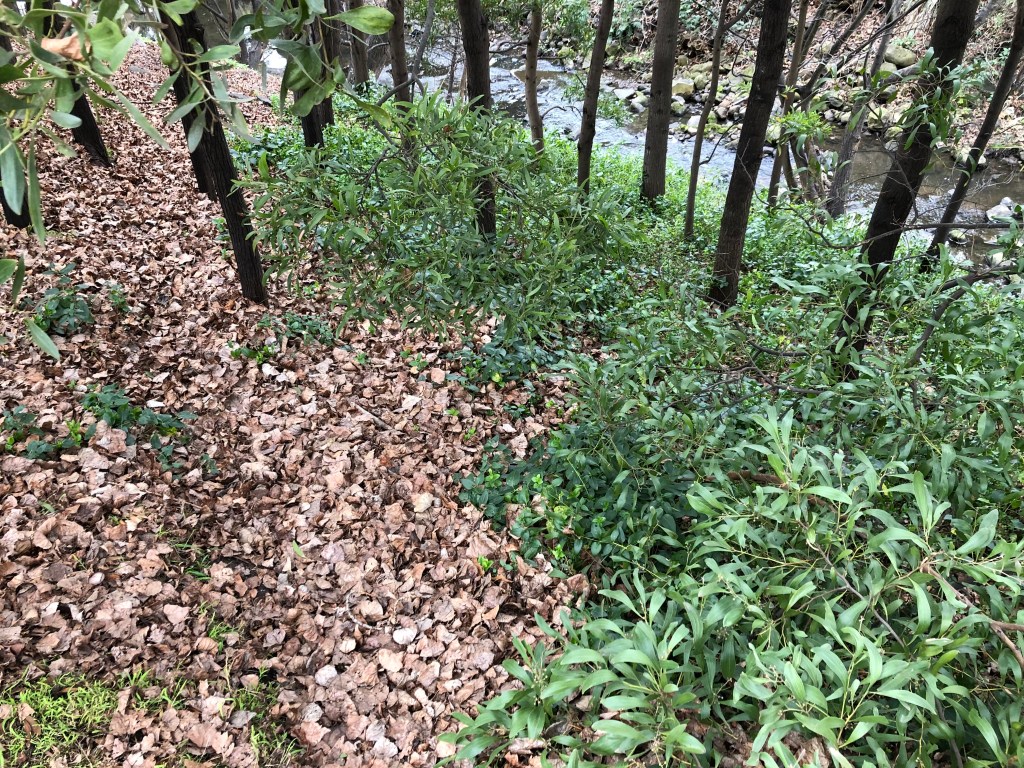
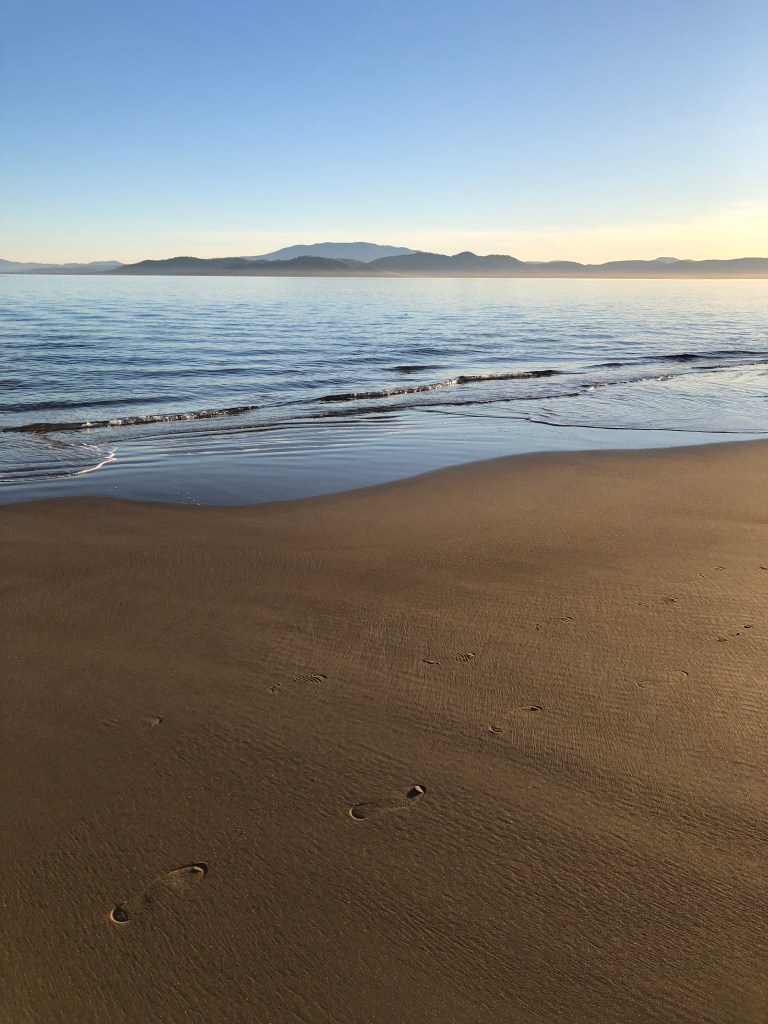
Forest bathing is a practice or process of therapeutic relaxation where one spends time in a forest or natural atmosphere (like an uncrowded coastline/beach), focusing on sensory engagement to connect with nature, and breathing in the air.
Forest bathing is also known as sylvotherapy, and, emanating from Japan, shinrin-yoku.
Sylvotherapy/Shinrin-yoku is a wellbeing and healing practice that involves mindful connections with natural places.
It promotes physical and mental well-being through activities like sitting or walking in a forest, sensory engagement, and even physically embracing trees to connect with their energy. Potential benefits include reduced stress, lower blood pressure, a strengthened immune system, and improved concentration and mindfulness.
In Japan, which is two thirds covered in forest, the term shinrin-yoku was created by Tomohide Akiyama, who was the director of the Ministry of Forestry, in 1982. After several studies were conducted in Japan during the 1980s, forest bathing was seen to be an effective therapy method. Akiyama knew of these studies along with the findings that showed the beneficial health effects of the compounds, such as phytoncides, and of the essential oils that certain trees and plants emitted. He officially put forward shinrin-yoku as a recognised practice, promoting its benefits to his public and establishing guidelines for its implementation.
Shinrin-yoku/forestbathing has been developed as a response to the increasing urbanisation and technological advancements and was put forth to inspire individuals to reconnect with nature and as a means to protect the forests and the natural lands. It was understood that if people spent time in natural forests and like places, and were able to find therapeutic comfort within them, they would value and protect them.

The Japanese calligraphy for Shinrin-yoku, forest bathing.
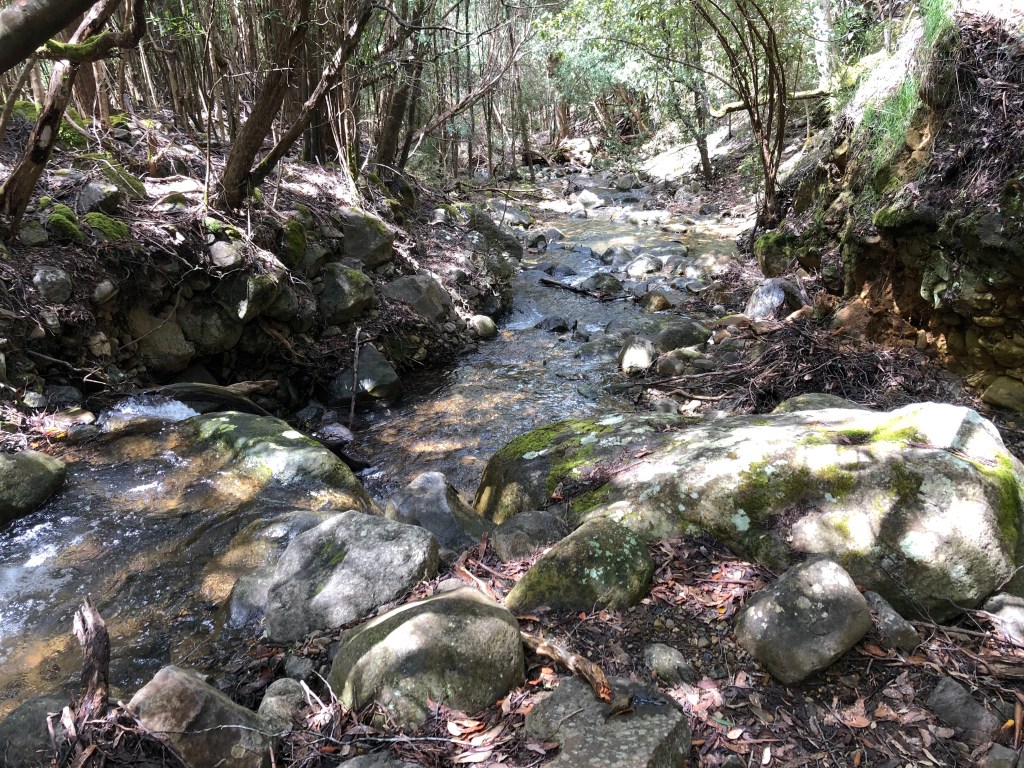
Practicing forest bathing/shinrin-yoku/sylvotherapy means spending time in nature, amongst the trees and grass, and mindfully engaging within a forest atmosphere or other natural environments. It is usually done by sitting in or walking through, a forest. Walking would be done at a slow and gentle pace. These practices would be done without carrying any electronics or other distractions, and taking the time to soak up the surrounding nature.
It involves using all five senses and letting nature enter through those senses. Some examples of exercising this can include:
- Listening to forest sounds, i.e. birds and insects.
- Touching the ground, the trees, and the leaves.
- Smelling the flowers and other essential oils of the plants and trees.
- Observing the surroundings and scenery
- Tasting the crispiness of the air while breathing

 Nick Hall Adventure Therapy