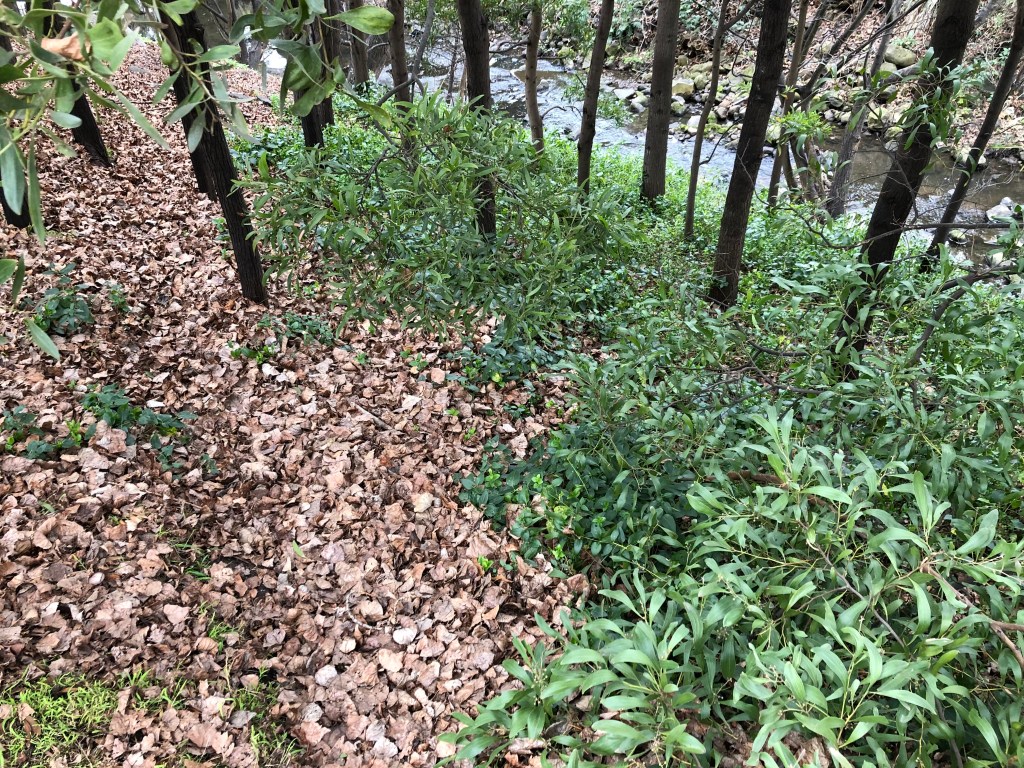
Forest Bathing – What is it?

Forest bathing is a practice or process of therapeutic relaxation where one spends time in a forest or natural atmosphere (like an uncrowded coastline/beach), focusing on sensory engagement to connect with nature, and breathing in the air.

Forest bathing is also known as sylvotherapy, and, emanating from Japan, shinrin-yoku.

Sylvotherapy/Shinrin-yoku is a wellbeing and healing practice that involves mindful connections with natural places.

It promotes physical and mental well-being through activities like sitting or walking in a forest, sensory engagement, and even physically embracing trees to connect with their energy. Potential benefits include reduced stress, lower blood pressure, a strengthened immune system, and improved concentration and mindfulness.
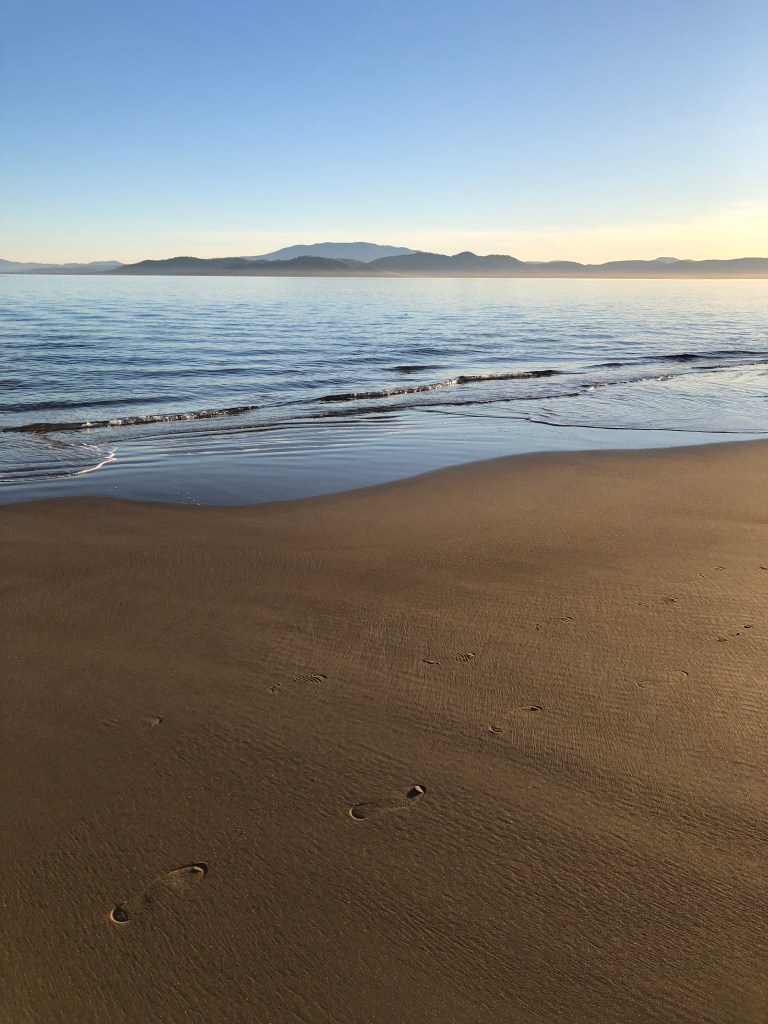
In Japan, which is two thirds covered in forest, the term shinrin-yoku was created by Tomohide Akiyama, who was the director of the Ministry of Forestry, in 1982. After several studies were conducted in Japan during the 1980s, forest bathing was seen to be an effective therapy method. Akiyama knew of these studies along with the findings that showed the beneficial health effects of the compounds, such as phytoncides, and of the essential oils that certain trees and plants emitted. He officially put forward shinrin-yoku as a recognised practice, promoting its benefits to his public and establishing guidelines for its implementation.

Shinrin-yoku/forestbathing has been developed as a response to the increasing urbanisation and technological advancements and was put forth to inspire individuals to reconnect with nature and as a means to protect the forests and the natural lands. It was understood that if people spent time in natural forests and like places, and were able to find therapeutic comfort within them, they would value and protect them.

The Japanese calligraphy for Shinrin-yoku, forest bathing.

Practicing forest bathing/shinrin-yoku/sylvotherapy means spending time in nature, amongst the trees and grass, and mindfully engaging within a forest atmosphere or other natural environments. It is usually done by sitting in or walking through, a forest. Walking would be done at a slow and gentle pace. These practices would be done without carrying any electronics or other distractions, and taking the time to soak up the surrounding nature.

It involves using all five senses and letting nature enter through those senses. Some examples of exercising this can include:

  • Listening to forest sounds, i.e. birds and insects.
  • Touching the ground, the trees, and the leaves.
  • Smelling the flowers and other essential oils of the plants and trees.
  • Observing the surroundings and scenery
  • Tasting the crispiness of the air while breathing
Soul Searching

Soul Searching?

Carl Jung had much to say about the soul later in his life.

He was a victim of lifelong learning.

I can recall him saying in an interview something like “There is a treasure buried in the field.” He was talking about the existence of the soul, and how conditioning, and some of the workings of the human mind bury this fact, this reality. The reality of the soul.

In this he was not talking about the route of organised religion, which very much tends to bury truth in dogma and doctrine, mindless repetition. He was talking about our own personal search for our own personal soul, and what this means.

I found a quote, easily online, as one does.

“The most powerful weapon on earth is the human soul on fire. Don’t gain the world and lose your soul; wisdom is better than silver or gold. Everybody needs beauty as well as bread, places to play in and pray in, where nature may heal and give strength to body and soul.’

And then I thought to myself, also as one does, “Who said that?”

The next step in this moment in time tends to be ask AI.

The provided quote is a combination of phrases from two different people: “The most powerful weapon on earth is the human soul on fire” is attributed to Ferdinand Foch, while “Don’t gain the world and lose your soul; wisdom is better than silver or gold” is a quote by Bob Marley. The final sentence, “Everybody needs beauty as well as bread, places to play in and pray in, where nature may heal and give strength to body and soul,” is a quote from John Muir.

Ferdinand Foch 

  • This quote from the French general and strategist Ferdinand Foch emphasizes the potential and strength of an ignited human spirit.

Bob Marley 

  • The reggae artist Bob Marley expressed the importance of spiritual wealth over material gain with this statement, prioritizing wisdom over riches.

John Muir 

  • The naturalist and conservationist John Muir spoke of the essential need for natural spaces to nourish the body and soul. He believed that “Everybody needs beauty as well as bread, places to play in and pray in, where nature may heal and give strength to body and soul”.

You may have noticed that I did not put quotation marks on this AI response. This is because this is not a quote, or someone’s work, it is a piece of data processing, a piece of essentially soulless writing, mournful numbers until the presence of the soul is added. Somewhere there is a soul involved.

How do we tell the workings of the soul apart from everything else?

For us there are two or three possibilities.

There is the technical world, the world of constructive and destructive cause and effect.

There are the workings of one’s mind.

There is the world of relationship and connection.

A mentor of mine described this as “Shit happens, little mind, and big mind.”

Little mind is our brain in our head.

Big mind is our wisdom, our clarity, both felt and put into language, our endless generosity as we move through life always open to learning new things.

Big mind is also our awareness that we are a part of everything. That we are, in fact, everything.

To be in touch in every moment with one’s soul, one’s big mind, it is necessary to free one’s self from the workings of little mind, isn’t it? To be passively aware of these workings, and learn and know, what is true, and what is false. What is wise and nurturing, and what is stupid and miserable.

How to achieve this?

Somewhere in you you may recognise this:

By wanting to achieve this, by being aware of your desire to be free of the workings of little mind, as little mind is only out for itself. And then doing absolutely nothing about this, so totally passive is the road to freedom, to peace.

And while one is waiting one can learn how to do things effectively, and how to be gentle in letting go, and how to be kind.

It may make sense that in letting go of what does not work, eventually, what is left is what does work, and this is the treasure to which Carl, and many others, refers. The treasure that is you, as part of everything, not separate from it. Real spirituality, not invented spirituality. Humble, and passionate, quiet and immense. Timeless. Beyond belief.